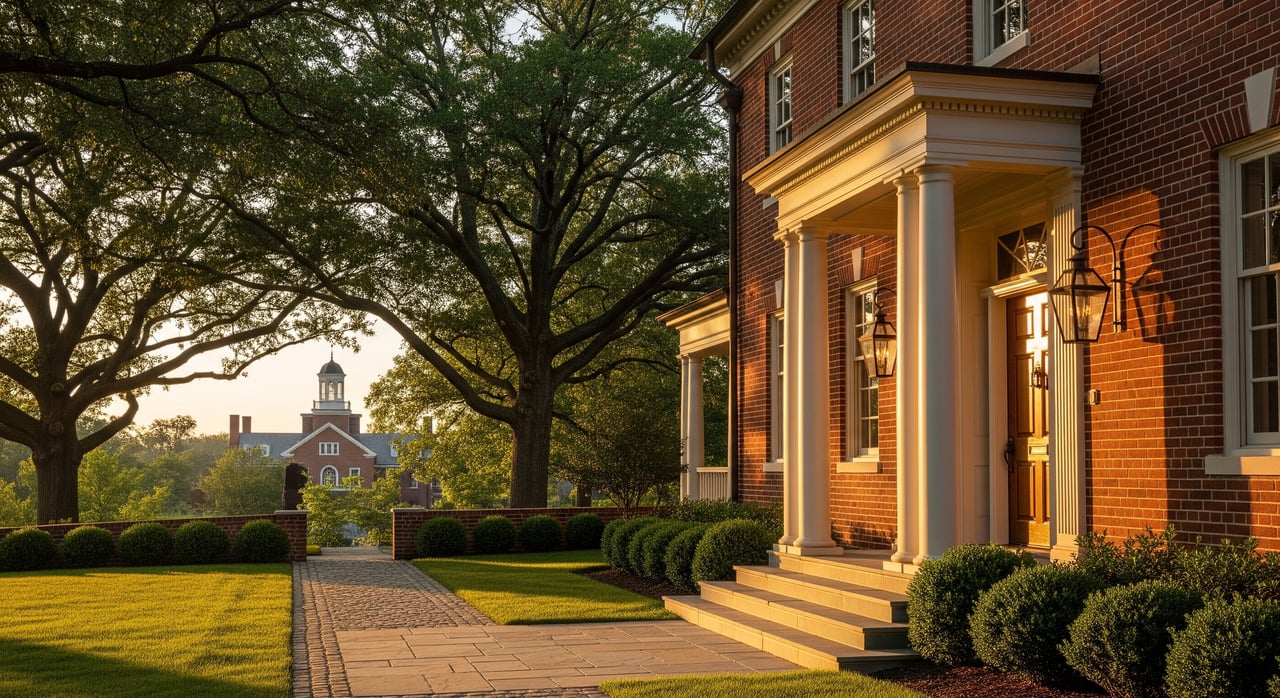
Thinking about living close to Miami University but not living a campus lifestyle? You’re not alone. Oxford offers a small-town feel with big-time amenities, thanks to the university’s presence and a walkable Uptown surrounded by tree-lined neighborhoods. In this guide, you’ll learn what daily life looks like, how the academic calendar shapes pace and noise, and what to check before you buy. Let’s dive in.
Uptown Oxford at your doorstep
Uptown is compact, walkable, and lively during the school year. You can run errands, grab coffee, and enjoy local restaurants without needing to drive far. Evenings feel more active during fall and spring semesters, especially on weekends and game days. Summers and breaks are slower and more relaxed, with lighter foot traffic and shorter lines.
You’ll find a mix of student-oriented spots and independent businesses that serve year-round residents. A farmers market, boutiques, and everyday services are close together, which keeps daily life convenient. Grocery options include at least one full-service store in or near town, with smaller markets for quick trips.
Neighborhood feel and housing options
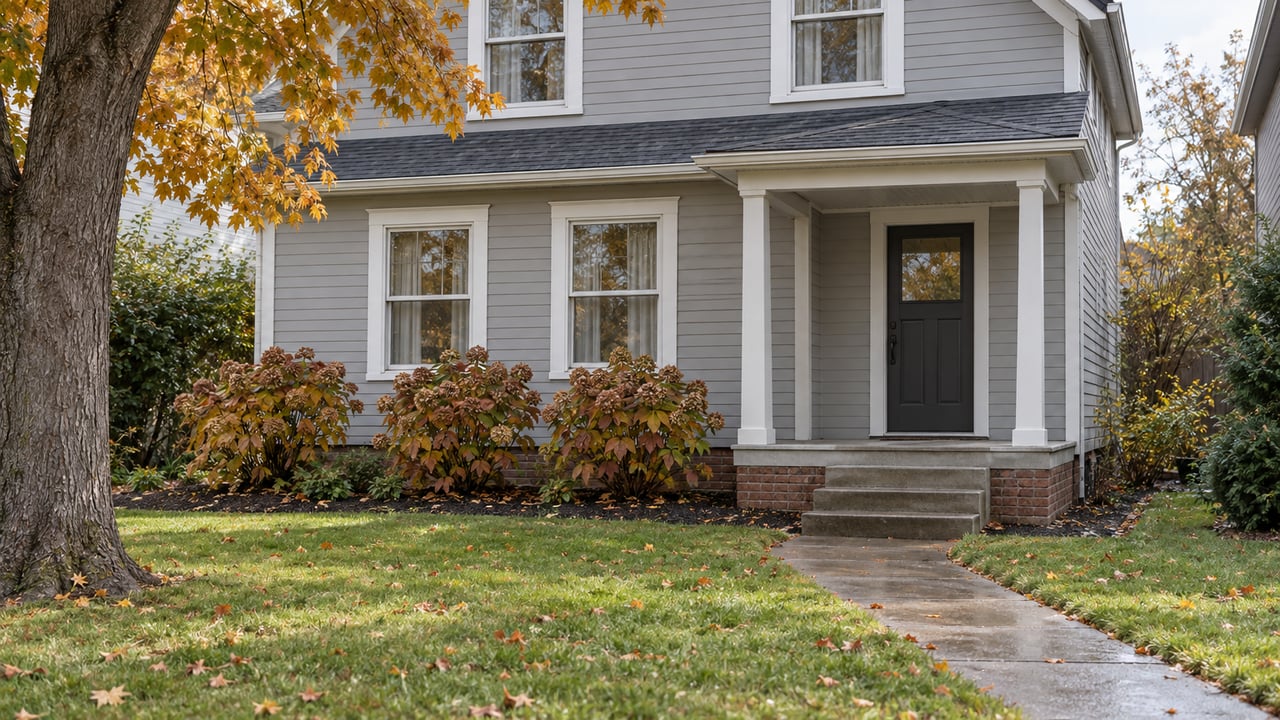
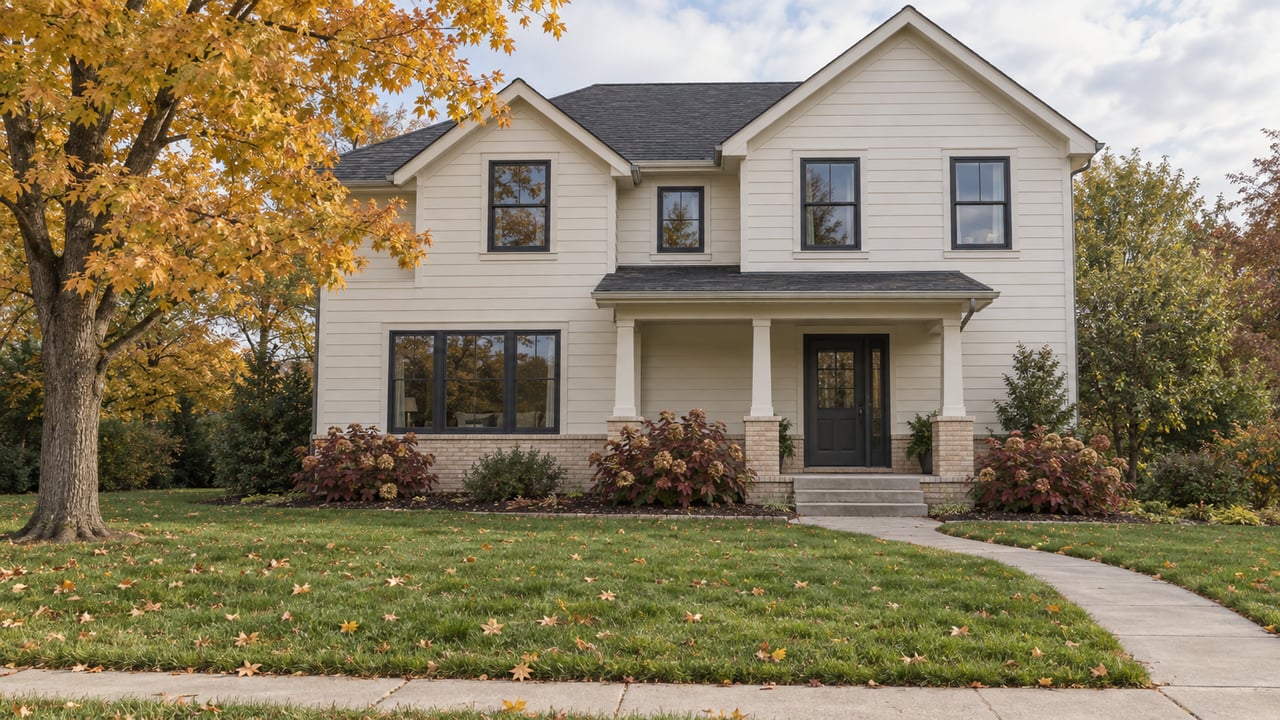
Oxford’s housing includes historic single-family homes close to Uptown, mid‑century streets with sidewalks and mature trees, and owner-occupied subdivisions a bit farther from campus. You’ll also see smaller apartment buildings and student houses in areas immediately surrounding the university. If you want a quieter setting, look for more residential streets a few blocks from the core. If you prefer easy access to dining and events, expect more student activity and parking demand.
Many older homes have character and curb appeal. As with any historic or mid‑century property, factor potential updates like roofing, insulation, HVAC, or older systems into your budget. Streets vary in maintenance and style, but sidewalks and tree canopy are common across many parts of town.
Parks and outdoor recreation
You can enjoy local parks, playgrounds, and small green spaces for daily walks and casual sports. Miami University adds trails, greenways, and open lawns that residents often use for informal recreation. Larger destinations, including nearby state parks and lakes, are within a reasonable drive and broaden your options for hiking, biking, and boating.
Many residents bike or walk for short trips around town. Dedicated paths and low-traffic streets make it workable most of the year, though winter weather can limit active transportation.
Arts, culture, and university access
Miami University, founded in 1809, anchors Oxford’s cultural life. You can attend concerts, theater, speaker series, art exhibitions, and collegiate sports, with access and tickets varying by event. Community arts groups and small venues round out the calendar with classes and performances aimed at local residents. Both the city library and the university’s public offerings support lifelong learning, from lectures to outreach programs.
Daily essentials: schools, healthcare, and services
Public K–12 students are served by the Talawanda School District, and there are private and preschool options in the area. If schools are part of your decision, review current performance information and boundary maps directly with the district. Primary care and urgent care are available in town or nearby, while larger hospital services are accessed in the county or neighboring metro areas. The City of Oxford manages routine services like trash collection, snow removal, and parks maintenance.
Getting around and parking
Most residents rely on a car for regional travel. Uptown has on-street and municipal parking, but demand is higher on game weekends and during major university events. Local public transit is limited compared with larger cities, though campus shuttles and a few routes can be helpful for short trips. Rideshare coverage is present but can vary by time of day.
How the academic calendar shapes life
Oxford runs on the rhythms of the university. Fall and spring semesters bring higher activity, especially on weekends, homecoming, and graduation. Game days can increase traffic, noise, and parking demand around Uptown and nearby neighborhoods. Summer is noticeably quieter, and some businesses adjust hours during break periods. If you’re deciding between streets, visit during both a busy semester weekend and a summer afternoon.
Homebuyer guide for near-campus living
Use this quick checklist to evaluate homes and neighborhoods:
- Visit at multiple times. See the property on a weekday during the semester, a weekend game day, and in summer to gauge noise, traffic, and business hours.
- Check parking rules and permits. Confirm on-street regulations, enforcement patterns, and whether you’ll need permits for guests.
- Assess property condition. Older homes are common, so budget for updates to roofing, insulation, HVAC, and any older systems or materials.
- Verify zoning and rental rules. Review City of Oxford ordinances, occupancy regulations, and any short-term rental limits. Check HOA covenants if applicable.
- Confirm utilities and services. Ask about trash pickup, snow removal responsibilities, and seasonal schedules.
- Review school boundaries. If relevant, verify K–12 assignments with the district before finalizing a purchase.
If you are also considering investment potential, note that near-campus rentals see strong demand, but many college towns require registration and inspections. Understand local permitting and maintenance standards before you buy.
Market dynamics to expect
Properties closest to campus, especially multi-bedroom houses, tend to have higher turnover and are often used as student rentals. Owner-occupied, single-family homes in more residential areas typically see steadier occupancy. Proximity to Uptown and campus, the condition of historic homes, and the availability of owner-occupied neighborhoods all influence value. For parcel-specific property taxes, consult the Butler County Auditor or a local professional who can review current data with you.
Is living near Miami University right for you?
You might love it if you enjoy walking to coffee, dining, and events, and you like an energetic vibe during the school year. You may prefer a few blocks’ distance if you want a quieter pace with easier parking and less student traffic. Both options exist, and the best fit comes from seeing neighborhoods at different times and asking targeted questions about rules, services, and upkeep.
Ready to explore streets and homes that fit your lifestyle? Connect with Ken Thacker for local guidance on Oxford neighborhoods, near-campus buying strategies, and coordinated support if you also want to evaluate rental potential. You can also request an instant home valuation to understand pricing and timing before you move forward.
FAQs
How busy does Uptown get during the school year?
- Expect lively evenings and weekends during fall and spring semesters, especially on game days and major campus events, with a noticeably quieter pace in summer and during breaks.
Is parking difficult for residents near campus and Uptown?
- Parking is generally manageable day to day, but demand increases on game weekends and big events; many homeowners prefer driveways or off-street parking in more residential areas.
Where can I find quieter residential streets near Miami University?
- Look a few blocks away from campus and Uptown for more residential, owner-occupied areas; visit at different times to confirm noise and parking patterns.
What should I know about schools if I’m buying in Oxford?
- The Talawanda School District serves K–12 students; verify current boundaries and any program details directly with the district as part of your due diligence.
Are there good options for parks and outdoor recreation around Oxford?
- Yes. The city maintains parks and playgrounds, Miami University offers trails and green space, and larger regional destinations are a short drive away.
What healthcare options are available in and around Oxford?
- You’ll find primary care and urgent care locally, while major hospital services are accessed in the county or nearby metro areas; plan accordingly for specialty care.