If you have been watching Hamilton lately, you have probably noticed real momentum. New downtown energy, riverfront activity, and visible reinvestment are changing how people experience the city, and those changes often shape what buyers are willing to pay. If you are thinking about buying, selling, or holding property in Hamilton, understanding where revitalization is happening can help you make a smarter move. Let’s dive in.
Why revitalization matters in Hamilton
Hamilton’s downtown is being positioned as a more active urban core, with seven districts, historic architecture, public art, nightlife, and special events. At the same time, the Great Miami Riverway is strengthening the river corridor as a 99-mile regional destination for recreation, tourism, and economic development. When a city invests in amenities and access like this, it can increase interest in nearby housing.
That does not mean every property will rise in value at the same pace. In most markets, buyers pay more attention to location, condition, and convenience when a city becomes more active and connected. In Hamilton, that makes walkability, river access, and updated homes especially important.
Current market signals to watch
Several housing data sources show different price points because they measure different things, but the overall direction is consistent. Hamilton home prices are higher than a year ago, and homes are still selling.
Redfin reported a median sale price of $220,000 in March 2026, up 15.8% year over year. It also reported homes selling in 46 days, with about four offers on average. That tells you buyers are still competing when the right property hits the market.
Zillow’s October 2025 figures show a typical home value of $293,524, up 3.8% from the prior year. Zillow also reported 300 homes for sale, a median of 8 days to pending, a median sale price of $249,262, and a median list price of $318,300. These numbers are not directly interchangeable with closed-sale medians, but they point in the same direction.
At the county level, Realtor.com reported Butler County with a $320,000 median listing price, a $276,500 median sold price, 29 median days on market, and a 99% sale-to-list ratio in April 2026. Its city-level table showed Hamilton at a $224,950 median listing price and a $1,297 median monthly rent. Taken together, the data suggest Hamilton remains relatively accessible while still seeing solid demand.
What is driving value growth
Downtown and riverfront momentum
Downtown Hamilton’s ongoing positioning matters because buyers often respond to places that feel active, usable, and connected. Restaurants, events, parks, public spaces, and riverfront amenities can make nearby housing more attractive to both owner-occupants and investors. That kind of demand can support stronger pricing for homes with convenient access to those features.
The Great Miami Riverway adds another layer. As the river corridor becomes a stronger recreation and tourism draw, nearby properties may benefit from improved visibility and lifestyle appeal. For buyers, that can translate into a premium for location.
New housing and mixed-use projects
Downtown-adjacent housing options are growing. Third + Dayton apartments are near Marcum Park and RiversEdge, and Artspace Hamilton includes 42 live/work units. The city also has recent planned-development filings for 125 apartments plus commercial space at 2350 Pleasant and a multifamily apartment structure at 421 Dayton.
These projects matter because they add residents, support local business activity, and reinforce the idea that the core of Hamilton is evolving. More housing near the center of activity can make surrounding areas feel more established and more desirable over time.
Neighborhood reinvestment
Revitalization is not limited to downtown. Hamilton is also investing in neighborhood improvement through Build Back the Block, a more than $3 million initiative bringing 12 homes to Jefferson. The city’s long-term direction is also shaped by Plan Hamilton, its 15-year comprehensive plan.
For homeowners and buyers, neighborhood reinvestment can be meaningful. New construction, property upgrades, and public planning efforts can improve confidence in an area and help support home values, especially when paired with broader city investment.
Which properties may feel the biggest impact
Walkable, lower-maintenance homes
The strongest value effect is likely to show up in lower-maintenance, walkable housing. Current Hamilton listings include condos, townhouses, and multifamily properties, and downtown projects are clearly aimed at people who want to live near restaurants, events, and the riverfront. As those amenities grow, this type of housing may draw more attention.
That does not mean detached homes are left out. It simply means homes that offer convenience, updated finishes, and access to Hamilton’s active areas may have an edge when buyers compare options.
Updated older homes
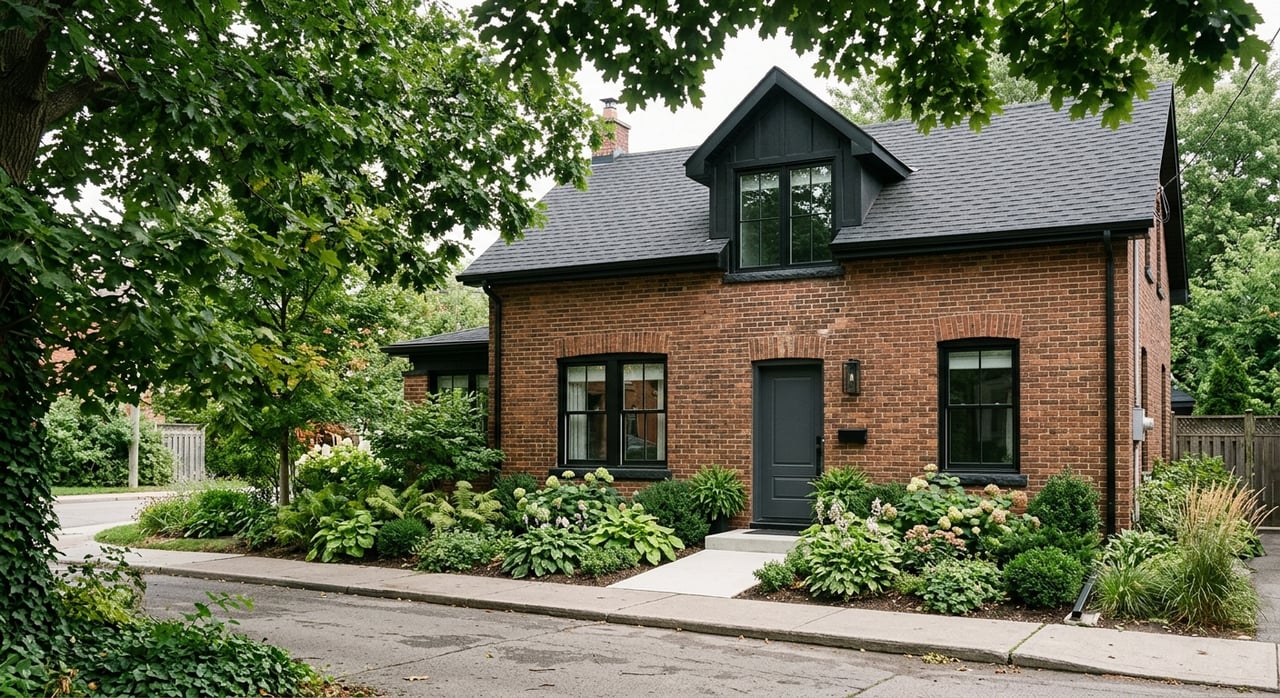
Hamilton has an older housing stock than many suburban markets. A Butler County fair housing analysis found that 78% of Hamilton homes were built before 1980, and it also noted a significant need for housing-stock improvements. In a market like this, renovation quality can play a major role in value.
For sellers, that means smart updates may matter more here than in a newer neighborhood where homes already have similar systems and finishes. For buyers, it means two homes on the same block can perform very differently based on condition, maintenance, and improvement quality.
Historic properties
Historic character can help a property stand out, but it also comes with rules. Hamilton has three nationally registered historic districts, and exterior work in historic areas generally requires a Certificate of Appropriateness from the ADRB. That is an important detail if you are buying an older home with renovation plans.
Historic homes can benefit from charm and location, especially near the core. Still, buyers should balance that appeal with the cost, timing, and approval process tied to exterior changes.
What buyers should watch next
If you are buying in Hamilton, pay close attention to the project pipeline. Build Back the Block, the proposed redevelopment at 2350 Pleasant, the 421 Dayton multifamily project, and the Belle/Dixie corridor improvement project all point to continued change. These projects may shape which parts of the city gain momentum over the next few years.
You should also verify floodplain status and historic-district rules early in the process. Hamilton’s Planning Department directs residents to the interactive zoning map for floodplain checks, and ADRB approval may be required for exterior work in historic areas. These are details you want to understand before making an offer, not after.
Financing also matters. Freddie Mac reported the 30-year fixed mortgage rate at 6.37% as of May 7, 2026. Even in a revitalizing market, higher borrowing costs can limit how much buyers can comfortably pay, which may affect demand at certain price points.
What sellers should keep in mind
If you are selling, the market data suggest buyers are active, but they are still selective. Homes that are well-located and well-presented are more likely to benefit from Hamilton’s revitalization story than properties with deferred maintenance or weaker access to amenities. Buyers are not just shopping for square footage. They are also looking at convenience, condition, and overall risk.
That means your pricing strategy matters. A home near downtown, the riverfront, parks, or active transportation routes may deserve a different conversation than a similar-sized property without those advantages. It also means preparation matters, especially in an older-housing market where condition can strongly influence buyer interest.
The bigger picture for Hamilton home values
Hamilton’s revitalization is being supported by downtown amenity growth, riverfront recreation, new housing proposals, and city policy that favors infill and mixed-use development. The city’s zoning approach also rewards design elements tied to mixed use, infill, and river engagement, which signals where public policy is leaning. That kind of alignment can help reinforce demand in and around the urban core.
The most likely winners over the next few years are homes that combine location, livability, and manageable renovation risk. Properties close to downtown, the riverfront, parks, and connected routes may be especially well positioned as Hamilton continues to evolve. While no market trend is guaranteed, the current pattern suggests revitalization is becoming an important part of the value conversation.
If you want help understanding how Hamilton’s changes may affect your property value or your next purchase, Ken Thacker can help you evaluate the numbers, the location, and the opportunity with clear local guidance.
FAQs
How is downtown Hamilton affecting home values?
- Downtown Hamilton’s growth in districts, events, public spaces, nightlife, and riverfront access is increasing buyer interest in nearby housing, especially homes with convenient access and updated condition.
Are Hamilton home prices rising right now?
- Yes. Redfin reported Hamilton’s median sale price at $220,000 in March 2026, up 15.8% year over year, while other data sources also showed annual price growth using different metrics.
Which Hamilton properties may benefit most from revitalization?
- Walkable, lower-maintenance homes, updated older homes, and properties near downtown, the riverfront, parks, and active transportation routes may be most likely to benefit.
What should buyers check before buying an older Hamilton home?
- Buyers should review the home’s condition carefully and verify floodplain status and historic-district rules early, since some exterior work in historic areas may require ADRB approval.
What should Hamilton sellers do before listing?
- Sellers should focus on pricing, presentation, and condition, especially because Hamilton has an older housing stock and buyers may compare renovation quality closely.
Are new developments changing Hamilton’s housing market?
- Yes. Projects like Build Back the Block, 2350 Pleasant, 421 Dayton, and corridor improvements are part of a broader reinvestment pattern that may influence demand and value over time.