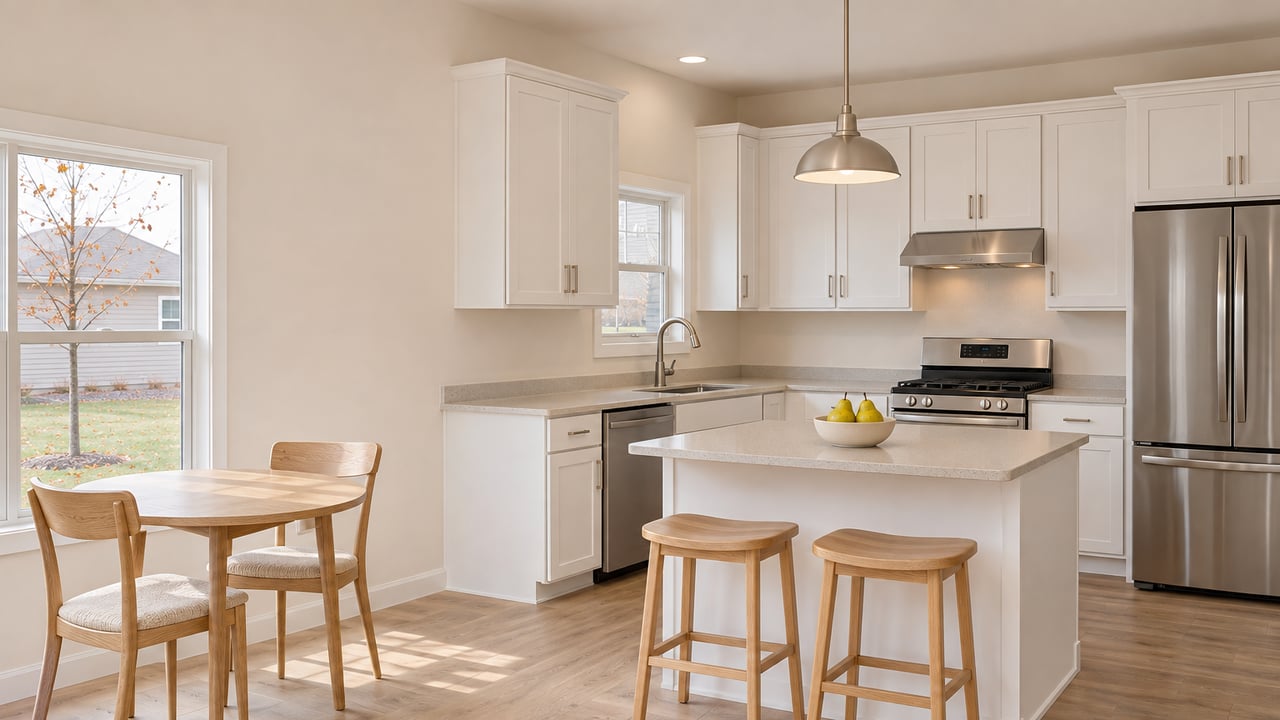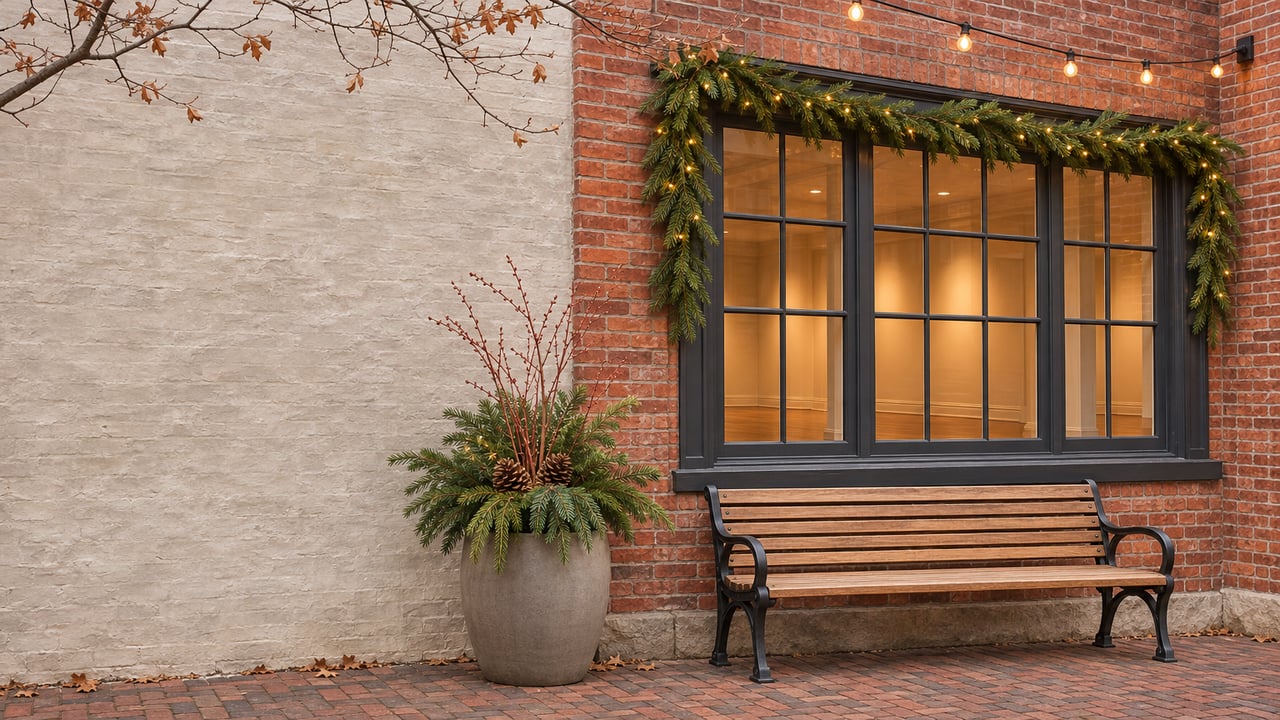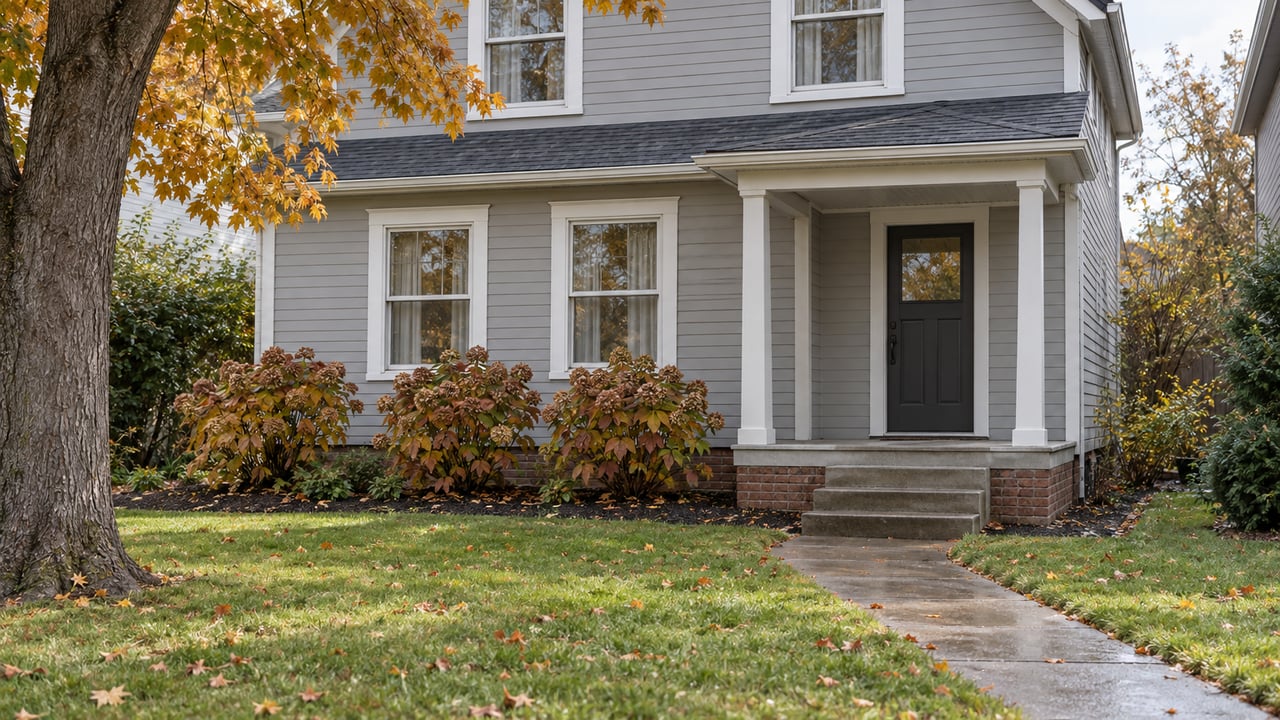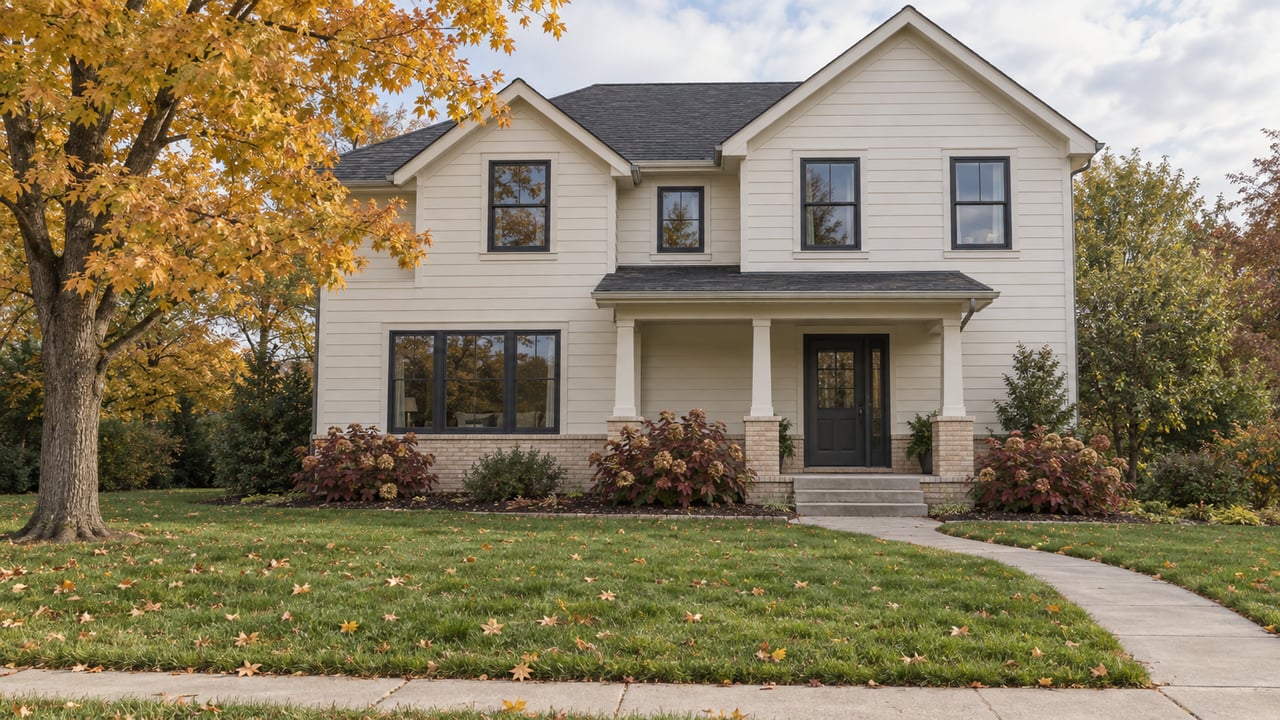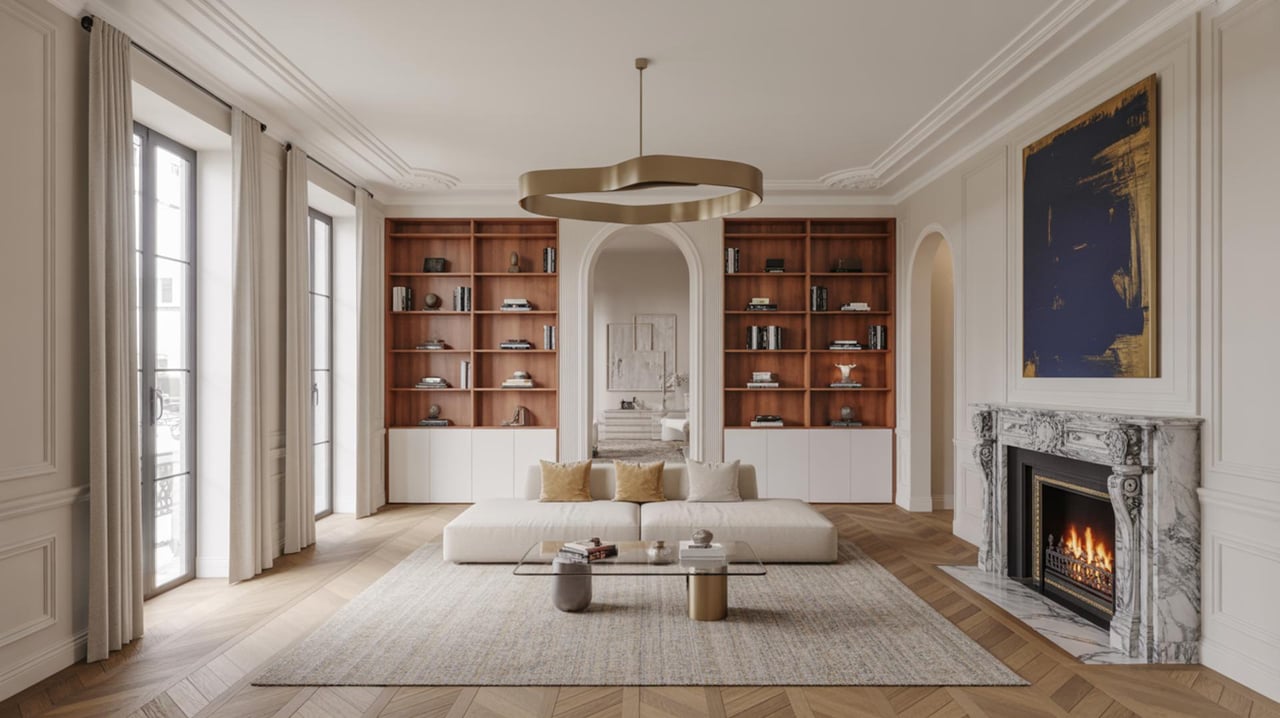
Incorporating both modern and classic elements into your living space can create a unique and timeless environment. This fusion allows homeowners to enjoy the best of both worlds—contemporary functionality with the charm and elegance of classic design. Whether you're redesigning a single room or your entire home, blending these styles can enhance the aesthetic appeal and comfort of your space. Here are some key considerations to help you achieve a harmonious balance between modern and classic design elements.
Understanding the Basics of Modern and Classic Design
Modern design is characterized by clean lines, minimalism, and a focus on function. It often incorporates materials like glass, metal, and concrete, with a neutral color palette. Classic design, on the other hand, is known for its ornate details, rich textures, and use of traditional materials such as wood and stone. It often features warm, inviting colors and intricate patterns. Understanding these fundamental differences is crucial when attempting to combine the two styles. The goal is to create a cohesive look that respects the principles of both design philosophies.
Choosing a Color Palette
Selecting the right color palette is essential when fusing modern and classic styles. Neutral colors like white, gray, and beige can serve as a versatile base that complements both modern and classic elements. To add depth and interest, consider incorporating accent colors inspired by classic design, such as deep blues, greens, or burgundies. These colors can be introduced through accessories, textiles, or artwork. The key is to maintain a balanced color scheme that ties the different elements of your space together.
Balancing Furniture Styles
Furniture plays a pivotal role in defining the style of a room. When blending modern and classic styles, it's important to strike a balance between the two. Consider pairing a sleek, modern sofa with a classic wooden coffee table or a vintage armchair. Mixing different furniture styles can create an eclectic yet cohesive look. Pay attention to the scale and proportion of each piece to ensure they complement each other and fit well within the space.
Incorporating Textures and Patterns
Textures and patterns add visual interest and depth to a room. In a modern-classic fusion, combining different textures—such as smooth leather, soft velvet, and rough-hewn wood—can create a dynamic and inviting atmosphere. Patterns can also play a significant role, with classic motifs like damask or herringbone adding a touch of elegance to modern spaces. Use patterns sparingly to avoid overwhelming the room, and consider incorporating them through textiles like rugs, curtains, or throw pillows.
Lighting as a Design Element
Lighting is a crucial component of any design scheme, and it can be used to enhance both modern and classic elements. Modern lighting fixtures, such as sleek pendant lights or minimalist floor lamps, can complement classic design features like crown molding or wainscoting. Conversely, a classic chandelier can add a touch of sophistication to a modern space. Layering different types of lighting—ambient, task, and accent—can create a warm and inviting atmosphere while highlighting key design features.
Accessorizing with Art and Decor
Art and decor provide the finishing touches that bring a room together. When combining modern and classic styles, consider selecting artwork and decor that reflect both aesthetics. Modern art pieces with bold colors and abstract forms can contrast beautifully with classic decor items like antique vases or ornate mirrors. The key is to create a curated collection that reflects your personal taste while maintaining a cohesive look.
Creating Focal Points
Establishing focal points is essential in any design scheme, as they draw the eye and anchor the space. In a modern-classic fusion, focal points can be created using standout pieces like a classic fireplace, a modern art installation, or a statement piece of furniture. These elements should be strategically placed to enhance the overall design and create a sense of balance and harmony within the room.
Integrating Technology Seamlessly
Modern living often involves the integration of technology, and this can be done seamlessly within a classic design framework. Consider incorporating smart home devices, such as automated lighting or sound systems, in a way that complements the classic elements of your space. Hidden wiring and discreet placement of devices can ensure that technology enhances rather than detracts from the overall aesthetic.
Personalizing Your Space
Personalization is key to creating a space that truly feels like home. Incorporate personal touches that reflect your interests and lifestyle, such as family heirlooms, travel souvenirs, or custom-made furniture. These elements can add character and warmth to your space, bridging the gap between modern and classic design. Personalization ensures that your living space is not only stylish but also meaningful and reflective of your unique personality.
Maintaining Cohesion Throughout
Achieving a successful fusion of modern and classic styles requires careful planning and attention to detail. It's important to maintain cohesion throughout your space by ensuring that all elements—furniture, color palette, textures, and decor—work together harmoniously. Regularly reassessing your design choices and making adjustments as needed can help maintain a balanced and cohesive look. By thoughtfully blending modern and classic elements, you can create a living space that is both timeless and contemporary.
Transform Your Home Today
Blending modern and classic styles can truly transform your living space into something unique and timeless. By carefully selecting elements from both worlds, you can create a home that reflects your personal taste while staying functional and stylish. Whether you're starting from scratch or looking to refresh your current decor, this fusion offers endless possibilities. For expert guidance and inspiration, reach out to Ken Thacker to start reinventing your living space today.